Saving the Countryside: Native British Livestock Breeds Prove Capable of Large-Scale Tasks
Conservation Grazing with Native British Livestock: A Sustainable Approach
In the realm of conservation, the use of native British livestock for grazing is gaining traction as an effective and eco-friendly solution, providing numerous benefits over the importation of exotic animals.
Ecological Suitability and Biodiversity Support
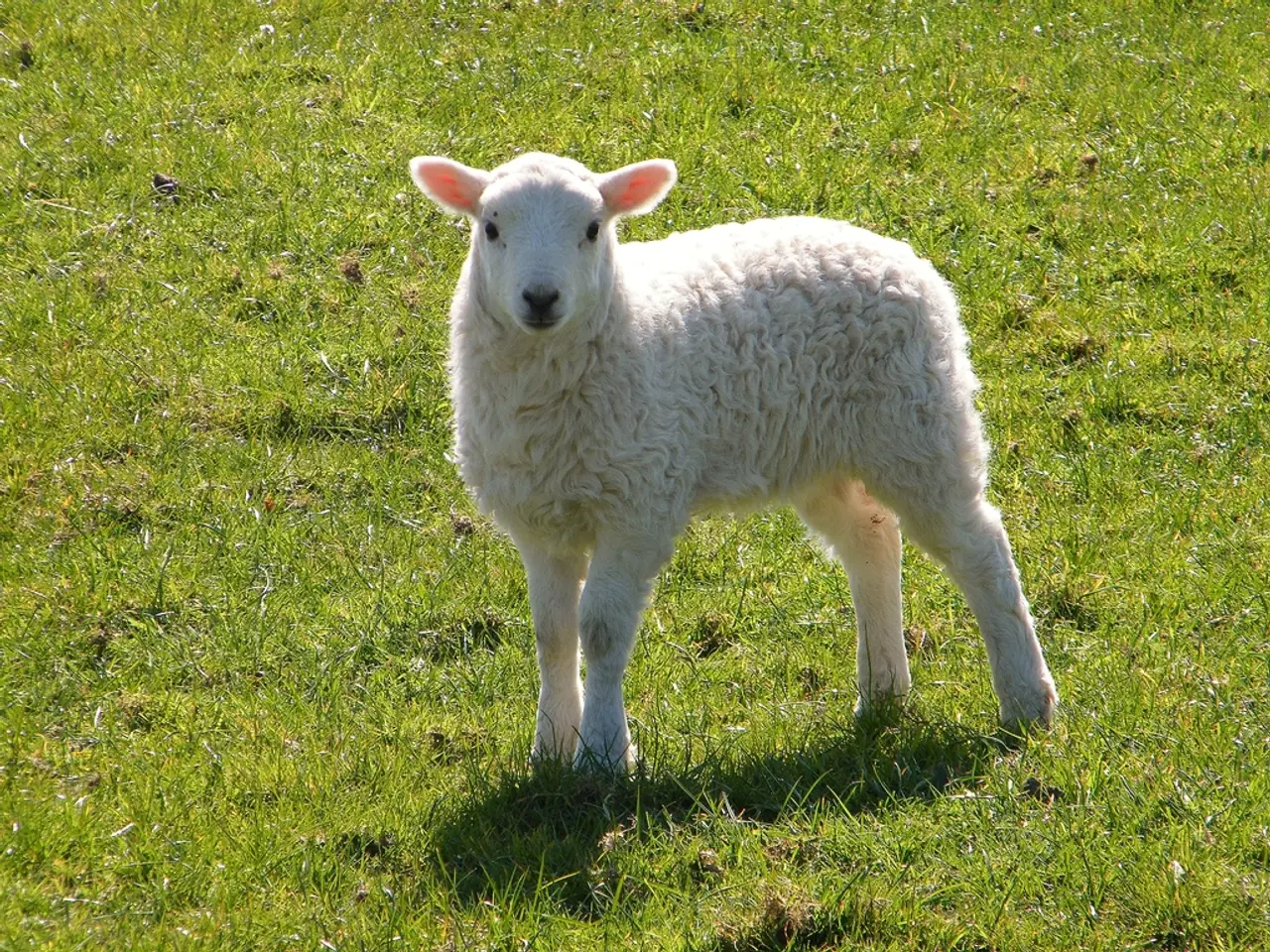
Native breeds, such as the Exmoor pony and Hebridean sheep, are well-adapted to local landscapes and climates, making them ideal for managing native vegetation and maintaining habitat diversity. Their grazing habits help control dominant grasses and scrub, preventing overgrowth that would otherwise reduce biodiversity. This creates a patchwork of vegetation heights and bare ground, supporting a wide range of wildlife species, including rare plants, invertebrates, and ground-nesting birds.
Preservation of Native Species and Genetic Heritage
By using native livestock, we help maintain and promote rare and ancient breeds with unique traits adapted to various British ecosystems. For instance, the Bagot goat is now being put to good use in clearing brambles and thorns, while the Tamworth pig, with its long snout, resembles the old forest pigs and is popular for land management.
Support for Wildlife Through Natural Process
Native cattle breeds produce dung that supports numerous invertebrates, which form food for birds and contribute to ecosystem health. Grazing by natives also reduces reliance on chemical controls like pesticides, supporting a more balanced and natural environment.
Better Management and Reduced Risk
Native animals are typically more accustomed to local diseases, forage types, and conditions, leading to lower management risk compared to exotic stock. Using local breeds reduces biosecurity concerns and the risk of animals escaping and causing damage, especially in mixed farming landscapes with high-value crops nearby.
In contrast, exotic animals may lack adaptation to local conditions, pose biosecurity risks, and may not perform the targeted vegetation management needed for conservation outcomes. Therefore, native British breeds provide a more sustainable, effective, and culturally valuable option for conservation grazing in the UK.
Effective Land Management
Cattle grazing can increase plant and insect numbers and diversity, and attract more birds. Pigs, particularly, are effective in woodland, allowing light in where bracken and brambles are taking over. The Exmoor pony, with its small hooves, is suitable for wild places and does not poach ground too badly.
Innovative practices are being explored as well. For example, the Derbyshire Wildlife Trust is considering bringing European elk to the Willington Wetlands, while a herd of bison is already part of a conservation project in Kent woodland. Konik ponies from Poland have been used on National Trust and Wildlife Trust projects in East Anglia.
In Scotland, a pioneering landowner introduced moose to their land during the rewilding movement. Meanwhile, on Diddly Squat Farm in Oxfordshire, a significant portion of the farm is covered in brambles, which pigs are effective in managing.
In conclusion, conservation grazing with native species maintains ecological balance, supports native wildlife, preserves agricultural heritage, and is often more practical for land managers in the UK context. By embracing these native breeds, we not only conserve our natural habitats but also celebrate our rich agricultural heritage.
Supporting native environmental-science, especially native British livestock such as Exmoor ponies, Hebridean sheep, Bagot goats, and Tamworth pigs, plays a significant role in lifestyle and home-and-garden settings by contributing to conservation projects through effective land management. These native species' grazing habits help increase plant and insect diversity, attract birds, and control dominant grasses and scrub, thus preserving biodiversity and promoting a balance in the environment.