Prolonging the Life of Fabrics through Proper Care Techniques
Handmade clothing is a testament to craftsmanship and personal style. To preserve the quality and aesthetic of these unique items, it's crucial to follow some guidelines when it comes to washing, drying, storing, and repairing them. Here is a comprehensive guide to help you maintain your handmade clothing in excellent condition.
**Washing**
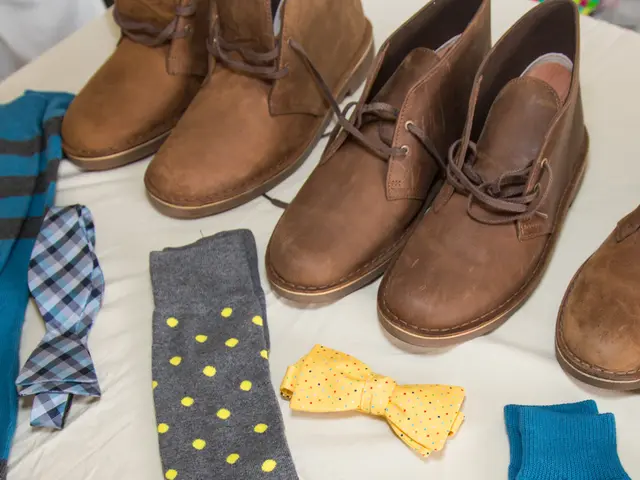
1. **Silk**: Hand wash silk items using cold water and mild soap. Avoid twisting or wringing them. 2. **Wool**: Hand wash wool garments in cold water with a mild detergent. Gently squeeze out water without wringing. 3. **Leather**: Avoid washing leather items; instead, use leather cleaner and conditioner. 4. **Knitwear**: Hand wash knitwear in cold water with a mild detergent. Avoid wringing.
**Drying**
1. **Silk**: Lay silk items flat on a towel to air dry. Do not hang. 2. **Wool**: Lay wool items flat on a towel to air dry. Avoid direct sunlight. 3. **Leather**: Use a clean, dry cloth to blot excess moisture. Allow leather items to air dry away from direct sunlight. 4. **Knitwear**: Lay knitwear flat on a towel to air dry.
**Storing**
1. **General Tip**: Store items in a cool, dry place away from direct sunlight. Fold items like knitwear and silk to prevent creases. 2. **Leather**: Store leather items on a well-ventilated area, away from direct sunlight.
**Repairing**
1. **Silk**: Use matching thread to repair tears in silk items. Avoid using hot needles. 2. **Wool**: Use a wool yarn or thread for repairs. For small tears, use a darning needle. 3. **Leather**: Use leather glue and patches for small repairs. For larger tears, consider professional repair. 4. **Knitwear**: Use yarn or thread matching the original colour for darning or patching.
**Additional Tips**
- **Labelling**: Use custom labels to include care instructions and the story behind your handmade items. - **Handwashing Techniques**: Mastering handwashing is crucial for delicate fabrics like silk and wool.
By following these guidelines, you can ensure that your handmade clothing items remain in excellent condition. Reshaping the garment while it is damp and spreading it out flat to dry is recommended for knitted garments. Regularly brushing suede can help refresh the fabric and prevent the nap from getting clogged up.
Different fibres require different washing methods: Luxury fibres like cashmere, alpaca, and silks require hand washing, while linen, cotton, polyester, and jersey fabrics can be washed on cooler machine cycles. It's generally not recommended to tumble dry wool, silk, or delicate fabrics.
Plastic containers and zip-lock bags can keep moths out but don't allow air to pass, which is critical for keeping garments fresh. Using cotton bags or cotton pillowcases instead of plastic allows natural fibres to breathe and still keeps moths out.
For old jumpers, they can be turned into cushion covers by cutting off the worn area, binding the raw edges, and following a cushion cover project. Reinforcing thinning knitwear with Swiss darning can help hide worn areas.
When it comes to washing wool, using a specialist wool wash can speed up the process. If significant or stubborn staining occurs on leather or suede items, it's best to take them to a professional for cleaning.
By taking care of your handmade clothing, you're not only preserving their quality, but also extending their lifespan and ensuring they remain a cherished part of your wardrobe for years to come.
- Embroidery and crochet pieces, handmade with love, are treasured additions to the home-and-garden lifestyle.
- For a unique fashion-and-beauty statement, upcycle old knitwear by transforming them into handmade quilts using sewing techniques.
- Handmade crafts like knitting, embroidery, and crochet not only serve as creative outlets, but also contribute to a sustainable lifestyle by promoting upcycling.
- Incorporate handmade clothing and accessories into your wardrobe to reflect your personal style and appreciation for craftsmanship.
- To maintain the beauty and longevity of your handmade clothing and crafts, follow specific guidelines for washing, drying, storing, and repairing them.